|
Subscribe to John and Anne’s Newsletter If you are having trouble reading this email, please visit our html version online. If the links listed below do not function properly in your email program, JOHN SEXTON & ANNE LARSEN PHOTOGRAPHY NEWSLETTER
- A NOTE FROM JOHN
Dear Friend, Twenty-five years ago we sent out the first issue of our little periodic newsletter. With this issue we celebrate its silver anniversary, which seems only fitting for two photographers in love with silver prints! When we sent out the first of these missives in September 2001, we never imagined we would still be happily doing so a quarter century later. Since then, we have shared many adventures with you, and a few misadventures as well. Some of you have been with us from the very beginning, and most of you have been with us for many years. We hope the images and stories we have shared over the past 76 issues have been of interest, and that some of them have remained with you. If you would like to revisit an earlier issue, they are all on our newsletter archive page. Thanks to all of you for your interest, your feedback, and your loyalty. I am also celebrating a personal anniversary this year. Fifty years ago, in 1976, I began my first official teaching job, a “Creative Photography” class one night a week for the North Orange County Community College District in Southern California. That single night grew into four nights a week, including classes at my alma mater, Cypress College. I had already been teaching a few workshops, and that same year I was a guest instructor at the Owens Valley Photography Workshops with Bruce Barnbaum and the late Ray McSavaney. A year later they invited me to join them as a partner, and we conducted many workshops together under the OVPW moniker through 1990. Teaching has been part of my life ever since that first night in the classroom. Well, here comes issue 77... It’s been a long time since the last edition of our newsletter. The past year has been a busy one for both Anne and me, filled with anticipated as well as unexpected ups and downs. In late January, we packed up our trusty Ford van and headed off to Death Valley on a most enjoyable and productive photographic journey. In May, we took a photographic and camping trip to the Southwest and had a great time. I have included some details from both trips below. In early July, I had revision knee replacement surgery on my left knee. I had a partial knee replacement in that knee 15 years ago, and it was simply worn out. I knew that the revision surgery process was more complex and that the healing and rehabilitation would take longer than a “fresh” knee replacement. However, the extent of the complexities of rehab was greater than either Anne or I imagined. This was not my first time down this road. I now have two full knee replacements (right and left!), and a total of eight knee surgeries between both legs stemming from photographic injuries. One came from a volleyball match while teaching at the Maine Photographic Workshops (yes, my workshop group soundly defeated another workshop class!). Another came from a fall while hiking down at night during a workshop I taught with Philip Hyde on the Green and Colorado Rivers. I did physical therapy for three months, along with daily at-home exercises, which are ongoing, and I am pleased to report my mobility with my newly installed “bionic” knee continues to improve. I could not have managed the rigorous therapy and home exercise program without Anne, my reliable, diligent coach. It was a team effort, and I am grateful to her, my surgeon, and my physical therapist. It was an uphill battle at times, but I believe I have crested the hill and look forward to being back behind the camera soon. I am pleased to report that I have returned to working in the darkroom, albeit for shorter periods of time. It’s good to be back in the place where magic occurs. I hope you will find some things of interest in this twenty-fifth anniversary edition of the newsletter. Anne and I wish you a glorious autumn ahead! John
Northern Saw-whet Owl
P.S. Give a hoot, and vote! Every vote does count, and if you don’t vote, you have no chance of effecting change. Anne and I encourage you to PLEASE vote! (We know that Northern Saw-whet Owls don’t “hoot.” They toot! But we wanted to attract your attention to our statement above, and she’s just so CUTE!)
LIMITED EDITION SILVER GELATIN PRINT BY JOHN
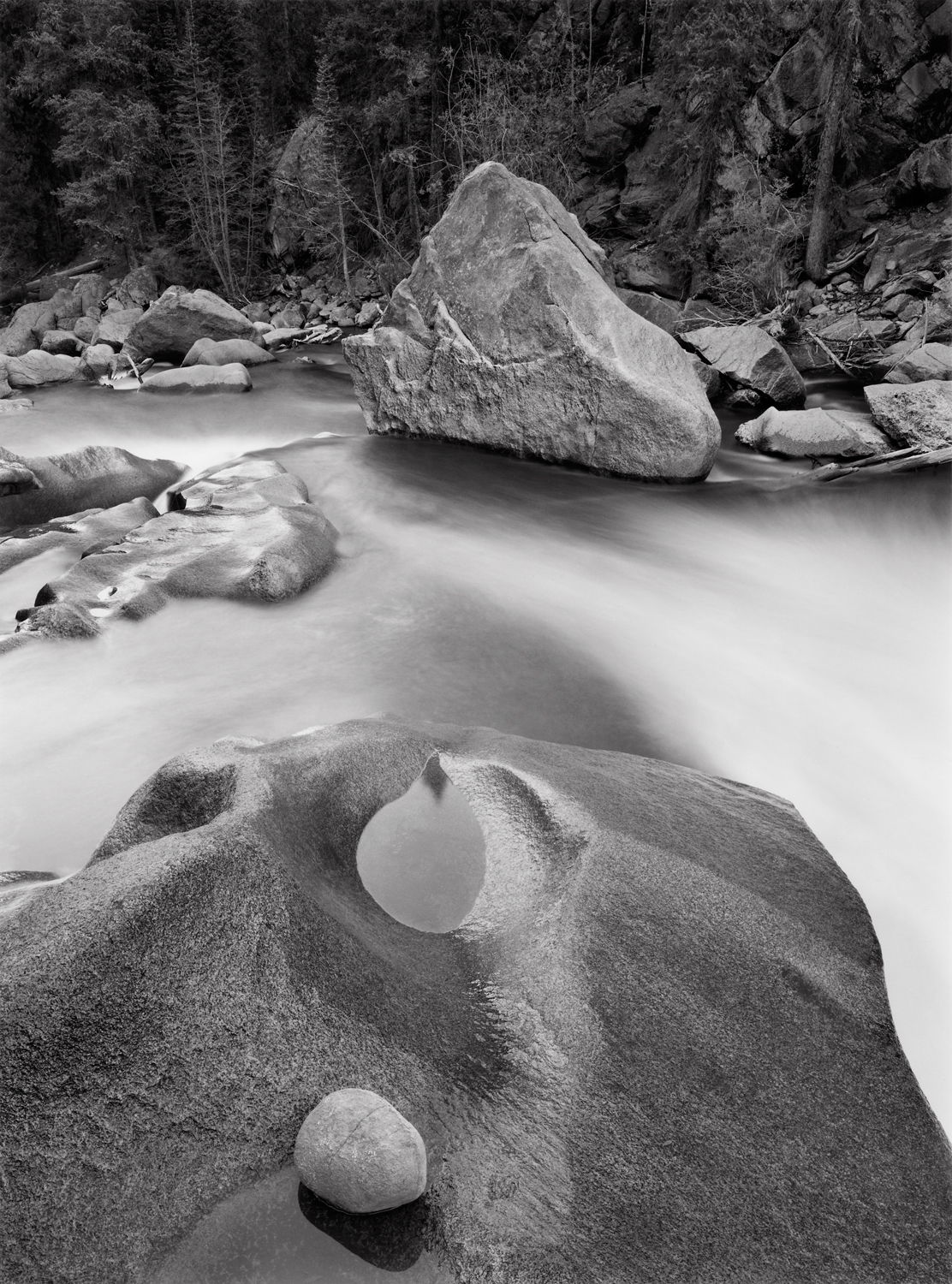
I am pleased to introduce my image Rock Forms, Roaring Fork River, Near Aspen, Colorado as Darkroom Edition 2026. I began the Darkroom Edition series in 1986, forty years ago, and am pleased to add this new limited edition print to the series. This 11x14" silver gelatin print is offered in a limited edition of seventy-five, signed and numbered prints, plus ten Artist’s Proofs. When the edition is sold out no further silver gelatin prints will be made for sale. Though my open edition 11x14" prints have a retail price in galleries of $1,250, the special introductory price for this limited edition print is $1,000—a 20% discount. On December 16, 2026, the retail price for any remaining unsold prints will increase to $2,500 and will escalate as the edition sells.
Rock Forms, Roaring Fork River, Near Aspen, Colorado
Rock Forms, Roaring Fork River, Near Aspen, Colorado was made near the end of a more than month-long photography trip that Anne and I made in 1996. Our first extended stop on that trip was in Snowmass Village, where I taught my annual two-week large format black and white hands-on printing workshop at Anderson Ranch Arts Center. Following that workshop, we headed to Bluff, Utah, with Anderson Ranch executive director James Baker, with whom I co-taught the San Juan River Expedition workshop. After our amazing river adventure, we once again packed up our van and returned to the mountains near Aspen, where we spent time exploring familiar locations and discovering new photographic possibilities. One of our favorite areas, not far from Aspen, known as the Grottos along the Roaring Fork River, is where this photograph was made. The rock formations are among the oldest in Colorado: gneiss that formed deep in the earth’s crust nearly two billion years ago, with granite pushed up through it in a later, shape-altering era. What defines the surface today, though, is far more recent. At the end of the last ice age, glaciers moved through this drainage and polished the granite into broad, smooth expanses. Boulders locked inside that ice were left resting, as glacial erratics, on the polished stone when the glaciers retreated, several of them positioned so perfectly on the rock that they look placed rather than deposited. The Roaring Fork River continues the work the ice began. Its pools and rushing cascades have carved sensual, sinuous curves into the smooth, polished granite, including this exquisite stretch a few hundred feet from the Grotto itself, also known as the ice cave. Anne and I have visited this location more than 100 times since I first came here in 1987. The sculpting of this Precambrian granite, by both the river and the ice, still amazes me. Rock Forms, Roaring Fork River was made long after sunset, in an area I had explored several times before. On this evening, I noticed that someone had placed a small circular rock within this sculpted recess. The small rock attracted my attention, but I continued with my normal process, wandering and exploring with my trusty viewing frame. The lonely little stone stayed in my mind, and after a few minutes I listened to its call. I returned, found an organization that excited me, and made this photograph. I used the back tilt of my view camera, as I often do, to slightly enlarge the size of the foreground rock, along with the exaggeration caused by the 90mm wide-angle lens. The contrast in size between the diminutive rock in the foreground and the huge boulder on the other side of the Roaring Fork fascinated me. I was also drawn to the contrast between the soft, rushing water (its softness exaggerated by the two-minute exposure at f/32 on Kodak T-Max 400 film) and the smooth, sculpted solidity of the granite. One more contrast marks this remarkable place: the powerful sound of the river, which makes normal conversation with another person challenging, while at the same time providing an aural cocoon, a kind of silence. I hope you can sense some of the magic of this place in my photograph. As I work with this negative in the darkroom, years after having made the photograph, I look forward to the next time Anne and I return to the Aspen area, knowing we will once again be drawn to this place of magnetic beauty and spiritual energy. This selenium toned silver gelatin print is approximately 9-7/8 x 13-1/4", personally printed by me (as are all my prints), processed to current archival standards, signed, numbered, mounted, and matted to 16x20" on 100 percent rag museum board. Prints will begin shipping on November 10, 2026. If you would like to receive your print in time for the Holidays, please let us know when you place your order, and follow up with an email. We will make every effort to ship prints in time for Holiday gift giving for those who need them. All prints ordered will be shipped no later than March 31, 2027. All prints are carefully prepared and packaged in specially designed protective shipping boxes, and shipped fully insured via USPS or UPS Ground. If you have any questions about the print, please feel free to contact Anne at 831-659-3130 or email info@johnsexton.com. Our office hours are Monday through Thursday from 10:00 am to 1:00 pm Pacific Time. You can see the image and place a secure online order for the print at the Ventana Editions web store:
ANNE AND JOHN INCLUDED IN GROUP EXHIBITION
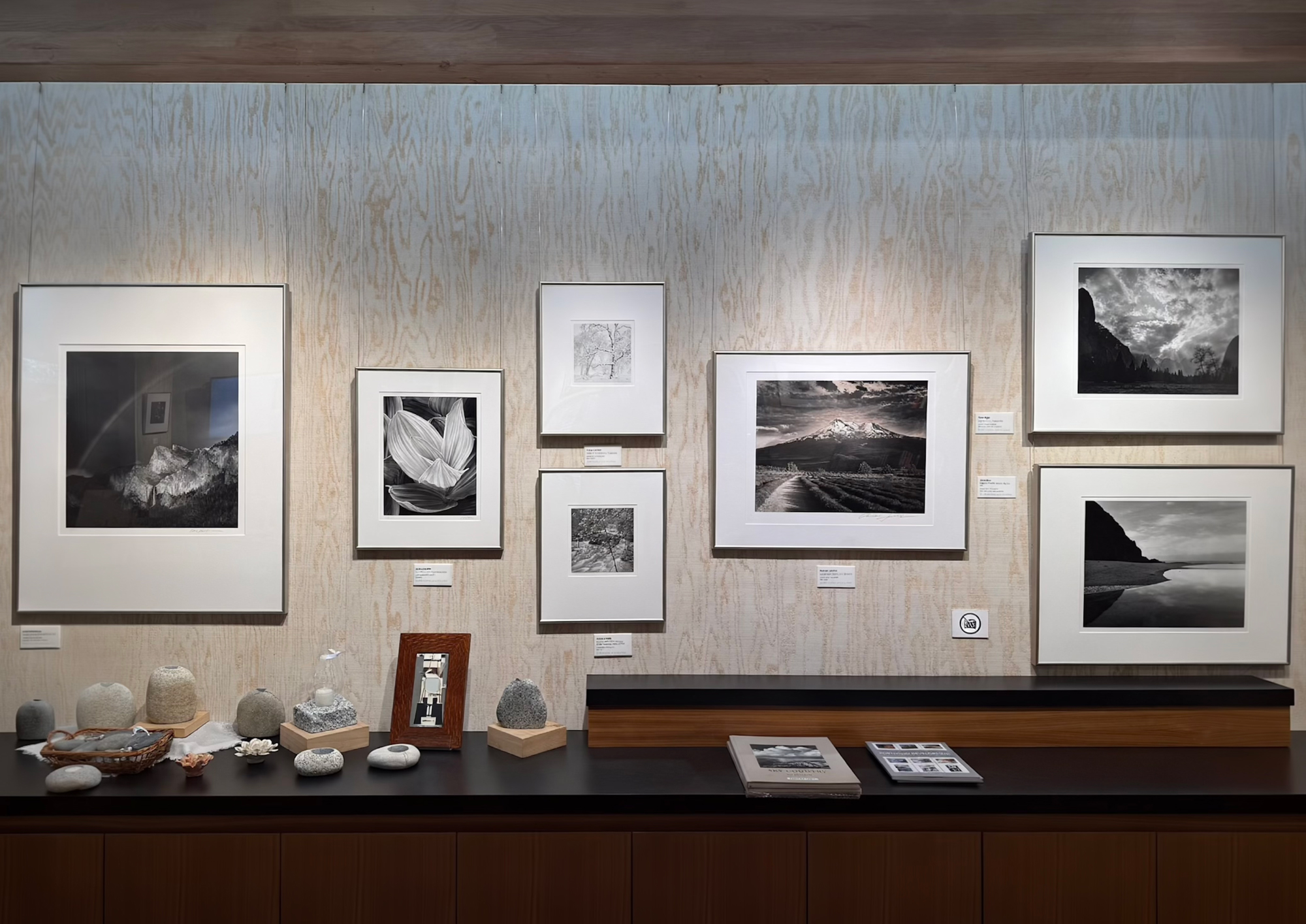
Anne and I are thrilled to be part of a brand-new group exhibition, Peace of Place: Photographs by Represented Artists, with photographs by Jeffrey Conley, Bob Kolbrener, Roman Loranc, Alan Ross, along with Anne and me. This all black and white exhibition opened on September 27 and will run through Saturday, November 7, 2026. The gallery hosted a reception, open to the public, on Saturday, October 10, 2026, from 1:00 to 3:00 pm. My history with The Ansel Adams Gallery goes back a long way. My first one-person exhibition there opened in April 1980, and Anne and I have since shared three two-person exhibitions at the gallery. We are both honored to have our work included in yet another exhibition there.
A portion of the exhibition Peace of Place
It is a particularly special honor to share the walls with good friends of many years, all of whom are most talented and dedicated photographers. I met Bob Kolbrener and Alan Ross at the 1973 Ansel Adams Yosemite Workshop that I attended, where both were assistants. I met Jeff Conley in 1991, when he was working at The Ansel Adams Gallery, and Roman Loranc in 1992, when he took a workshop from me. Some of these friendships reach back more than half a century. Seeing our names together in Yosemite, where it all began for me, means a great deal. Anne and I were pleased to attend the reception. It’s always great to be in Yosemite! There was a big turnout, and Alan and Roman were there as well. We saw several old friends and made many new ones. Talking with people about our photographs is exciting and enjoyable. As an added bonus, we both sold some prints! Autumn is our favorite time of year just about anywhere! Although the fall colors are more subtle in Yosemite Valley than in some other locations in the Sierra, we find it to be a very beautiful time of year, with exquisite low-raking light and fewer people. If you happen to be visiting Yosemite, be sure to drop by and see the exhibition. Here is a link to the exhibition announcement: https://collections.anseladams.com/peace-of-place/
ON THE ROAD WITH ANNE AND JOHN
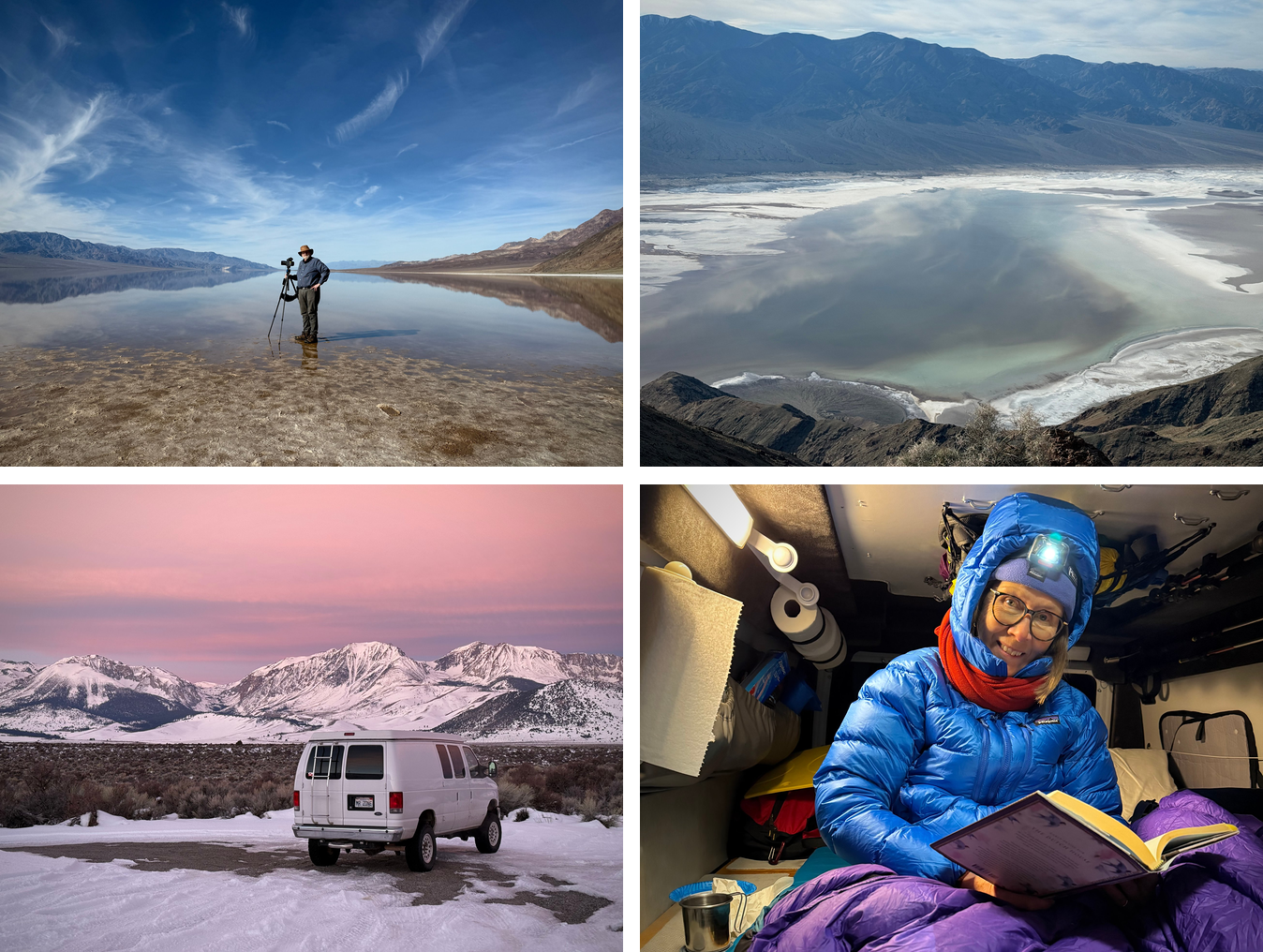
Anticipating that my mobility and our travels would be limited by my knee replacement surgery, Anne and I were fortunate to make two photography/camping trips during the first half of 2026. We want to invite you to come along with us and share some of our adventures, and misadventures. Let’s hit the road! We departed on our first “expedition” in our 4x4 Ford camper van, aka “MR ZONE.” Our destination was Death Valley, and we took the long way there, of course, meandering along small dirt roads and secondary routes that were described as “paved.” For some of them that was a generous description. After all that back-road exploring, the best mud cracks we found on the entire trip were right alongside the highway as we drove into Death Valley. We had a specific mission. Anne had never seen the view from Dante’s View. On every one of her previous visits to Death Valley, the road was closed. Every single time! This time the road was open, and the view was indeed amazing. Far below, in Badwater Basin, the ephemeral Lake Manly had returned. Record-breaking storms between September and November 2025 gave Death Valley its wettest fall on record, a total of 2.41 inches of rain, including 1.76 inches in November alone. That may not sound like much, but in Death Valley it is enough to make a lake! We spent five days camping and exploring in the park. The weather was mostly in the mid to high 70s, and the evenings were cool. It was very comfortable. Then, on the morning of the sixth day, right on schedule according to the forecast, the wind arrived, and it brought a good part of the desert along with it. A huge sandstorm chased us out of the campground and followed us north from Furnace Creek. It was a virtual whiteout until we were past the Mesquite Flat Sand Dunes (some of which were now airborne) and on our way toward the Owens Valley. We surrendered in Bishop and “hid out” in a motel to escape the wind. Besides, it was time for a shower. The next day the wind had calmed down, and we headed north to Mono Lake. We love Mono Lake, having conducted nearly 20 workshops there over the years. It was beautiful, with an ample supply of snow on the ground. We drove up over Conway Summit as far as Bridgeport, then returned to the same spot near Mono Lake for a second night. It was the coldest night of the trip. The thermometer read 17°F outside and a balmy 19°F inside the van! Our backpacking camp stove took one look at those numbers and refused to work. Our water bottles froze overnight, and so did a pan of water. Anne and I sat bundled together inside, very grateful for our excellent cold-weather down sleeping bags. MR ZONE is a simple van. Heat is not one of its features. The most challenging thing about camping in such cold weather is getting out of the sleeping bag in the morning. We did it anyway, because we wanted to be about a half hour south, near Mammoth, to photograph the Sierra Crest at sunrise. The Crest was completely covered in a blanket of alabaster snow, and the light kept changing. I moved from working with landscapes to making abstractions of the windblown snow patterns alongside the plowed road. For much of our time we had an “assistant.” A magnificent bald eagle sat on a nearby power pole supervising all our activities. I am fairly certain he thought we were crazy. He may have been right! From there we worked our way south along Highway 395, exploring side roads with no specific destination in mind. We made a return visit to Manzanar National Historic Site, always a moving experience. The current political situation made this dark chapter in United States history even more poignant. We spent a couple of days photographing the beautiful Alabama Hills, and then, since one visit apparently was not enough, we headed back to Death Valley for another afternoon photographing the dunes. This time they stayed on the ground.
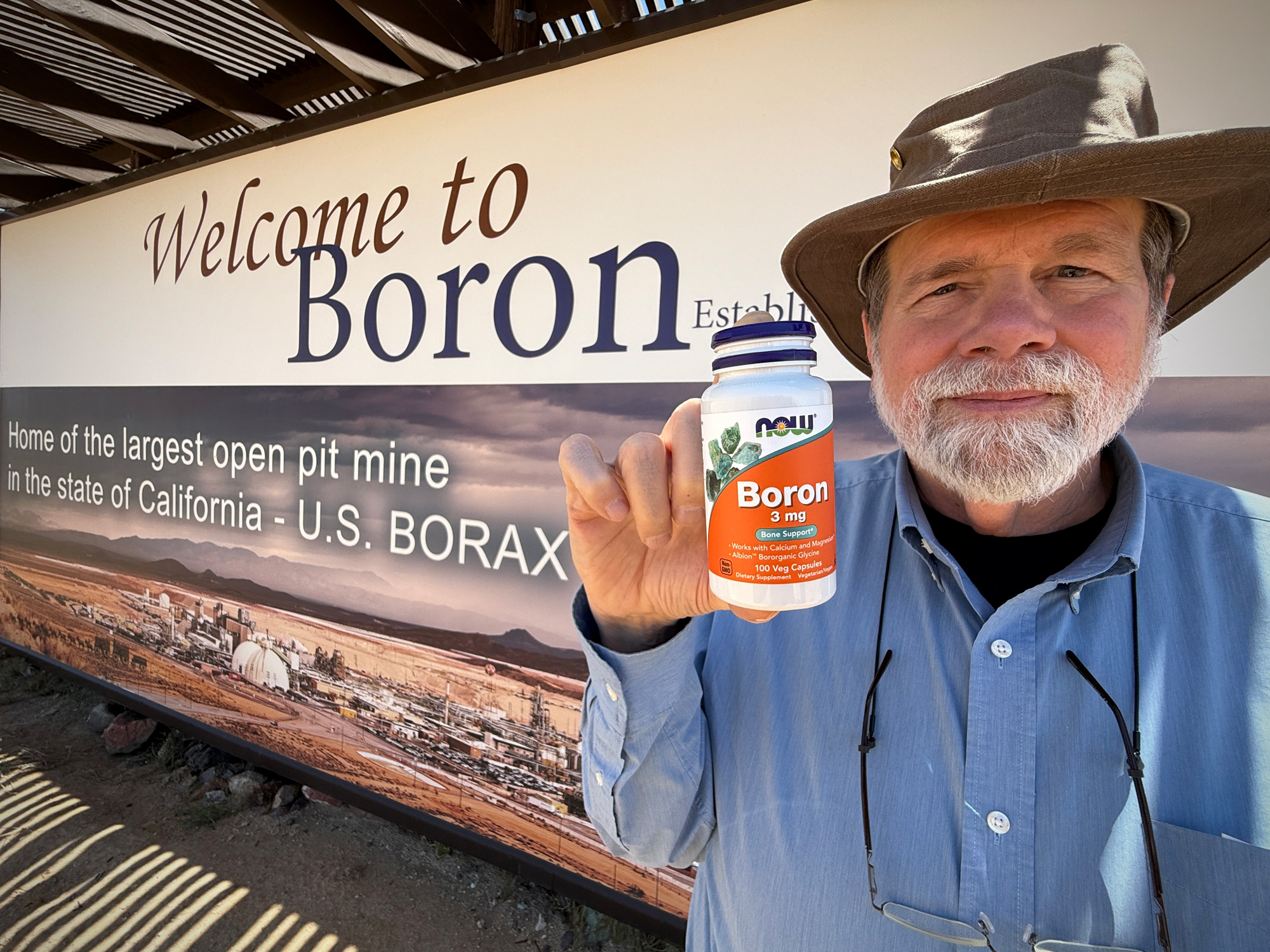
In May we headed to the Southwest on another photographic adventure. Our winter trip had been an exercise in staying warm. This one was an exercise in staying cool. It was hot, hot, hot! Our route took us through Boron, where I unofficially appointed myself Boron’s ambassador (see photograph below). So far no one has questioned my credentials. While we were making photographs there, we were treated to an air show. A huge B-52 Stratofortress bomber doing touch-and-goes at nearby Edwards Air Force Base made multiple low-altitude passes overhead. I like to think it was a welcome for the new ambassador. MR ZONE was wearing brand-new “shoes,” and they began giving us trouble early on. We spent half a day at Discount Tire in Flagstaff and drove away with one of our new tires and three brand-new replacements for the defective ones. So, we began the trip on mostly newer new tires. They are still going strong.
John Sexton, Unofficial Ambassador of Boron, California
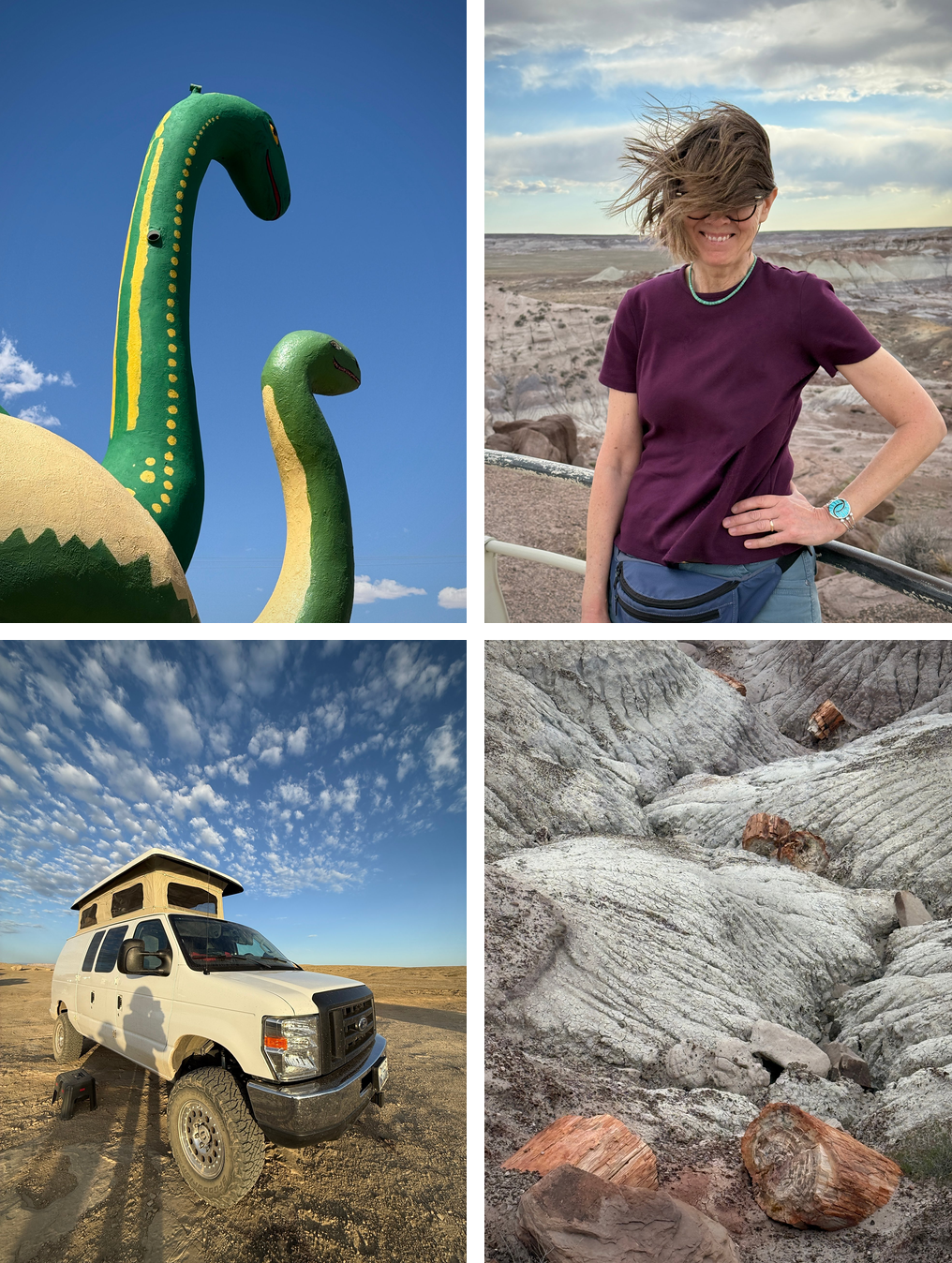
Looking back at our notes, I see multiple entries describing Winslow, Holbrook, Petrified Forest, and the Painted Desert with the same phrase, “hotter than hell.” The days were consistently well over 100 degrees. It was windy too, and unfortunately that continued for much of the trip. The nights did not cool down much, which made sleeping miserable. Aside from a few birds and one snake, the only wildlife we saw on the entire trip was a sizable herd of cows accompanied by cowboys. Both the cows and the cowboys were panting and looked VERY hot! I suspect we looked about the same to them. We wandered up toward Ganado, Arizona, the area where we conducted workshops with our dear friend, the late Ray McSavaney, for 22 consecutive years. Canyon de Chelly was absolutely beautiful, and there were almost no people there. It was great. Once again, we took many of the dirt roads we had been wanting to explore and visited remote trading posts, most of which are now abandoned.
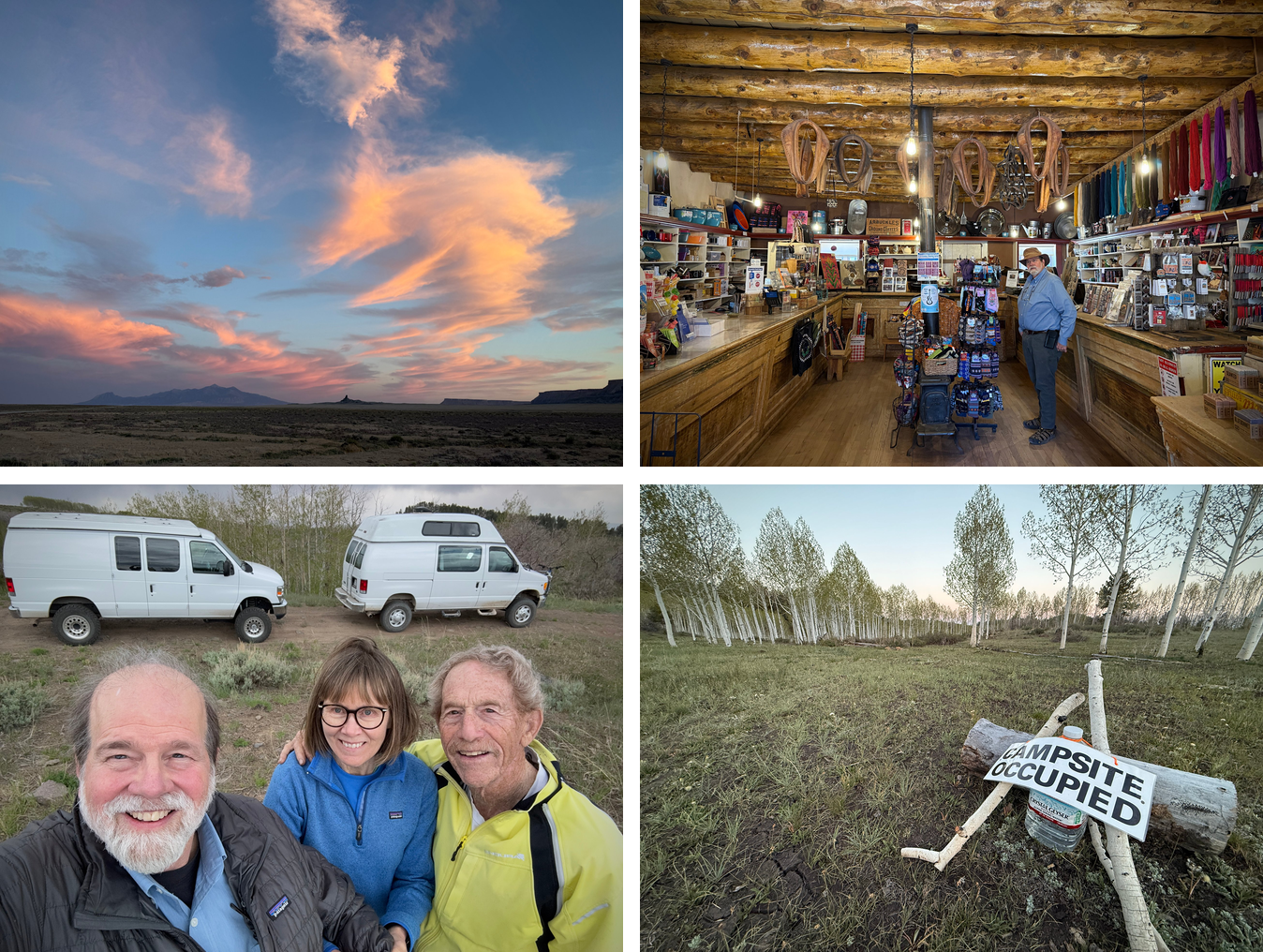
Then we headed to Page and on into Utah, to favorite spots in Escalante, Boulder, Capitol Reef, Factory Butte, and Hanksville. Even though we were camping, we could not resist breakfast in Boulder at the Little Bone food truck, operated by Hell’s Backbone Grill. It was excellent, a fine dining experience “in the middle of nowhere.” Our longtime friend and gifted photographer, Bob Kolbrener, lives less than 10 air miles from us, yet we only manage to see each other a few times a year. So, imagine our surprise when, heading north on Highway 12 near the top of Boulder Mountain, we spotted Bob’s white 4x4 Ford van pulled off to the side of the road. Bob was even more surprised. He was taking a nap when we walked up. We had a nice, brief visit, and then we both went on with our Southwest wanderings. Apparently, it takes a trip to Utah for us to see each other. Canyon de Chelly had been nearly empty. Capitol Reef and the surrounding backcountry were the opposite. People were EVERYWHERE, and most of them seemed to be consumed with selfies. We made photographs at one location where, sadly, people have fallen to their deaths while attempting selfies in recent years. Low-flying drones buzzed us multiple times, and some flew right in front of our camera lenses. When we arrived there the night before, there were just a few vehicles. When we awoke before sunrise, the area was filled with every type of four-wheel-drive vehicle, along with a few Cruise America rental RVs. (Contrary to what some folks seem to believe, not all rental vehicles are four-wheel drive!) One of those RVs appeared to have lost an argument with the rough road, which is recommended for four-wheel drive only, and its water tank had the damage to prove it. We would not have wanted to be those folks when they returned it to the rental company! Then we headed back down to Kanab, where we had a delightful lunch with retired BLM ranger Mike Salamacha and his dear friend Sue Gordon, also a retired BLM ranger. Mike was the caretaker who oversaw Coyote Buttes and “The Wave” back when they were little known, many years before anyone needed a permit to see them. It was a wonderful visit. And, of course, there were more dirt roads to explore.
We spent much of our time in Utah in what was, at the time, Grand Staircase-Escalante National Monument. On July 13, 2026, for the second time, President Trump cut the size of Grand Staircase-Escalante and Bears Ears National Monuments, each by about 90 percent. Grand Staircase-Escalante went from roughly 1.87 million acres to 181,500. Bears Ears went from 1.36 million acres to 121,100. Many of the amazing places we explored and photographed on this trip are no longer protected as part of the Monument. Anne and I, along with countless others, were stunned by this unprecedented and shortsighted action. Both of these National Monuments hold natural and cultural treasures that are irreplaceable and priceless. The lands removed from protection are now open to mining, and other commercial uses. Once a thousand-year-old granary is damaged, or a canyon is scarred by a mining road, no future proclamation can restore it. For Anne and me the loss is also personal. For more than 20 years we explored and photographed ancient Anasazi sites in the area that became Bears Ears National Monument. I made many of the photographs in my book Places of Power there. Today many of the places we photographed together, including Grand Gulch and nearly all of Cedar Mesa, are no longer part of the Monument. We find that very hard to accept. Tribes and conservation groups are now challenging the cuts in federal court, and the outcome is far from certain. Please let your representatives in Congress know how you feel. These lands belong to all of us, and to generations not yet born. They need our voices now. Anne and I encourage you to support the organizations working hard to protect these jewels: Southern Utah Wilderness Alliance (SUWA): suwa.org, Bears Ears Partnership: bearsearspartnership.org, and Grand Staircase-Escalante Partners: gsenm.org. When we returned home, there was a lot to complete in the few weeks before my surgery. We have not even begun to print any of the negatives from either trip, but we certainly hope there are some “keepers” waiting for us. If by chance we do not end up with any photographs that meet our expectations, that is fine with us. We had a wonderful, rejuvenating time on both trips. We saw some spectacular places, visited some great friends, surprised one of them in the middle of his nap, and even made a few new friends along the way. What more can you ask for?
It is horrifying that we have to fight our own Government to save our environment. —Ansel Adams, Playboy Interview: Ansel Adams
WE GOT A NEW CAMERA!
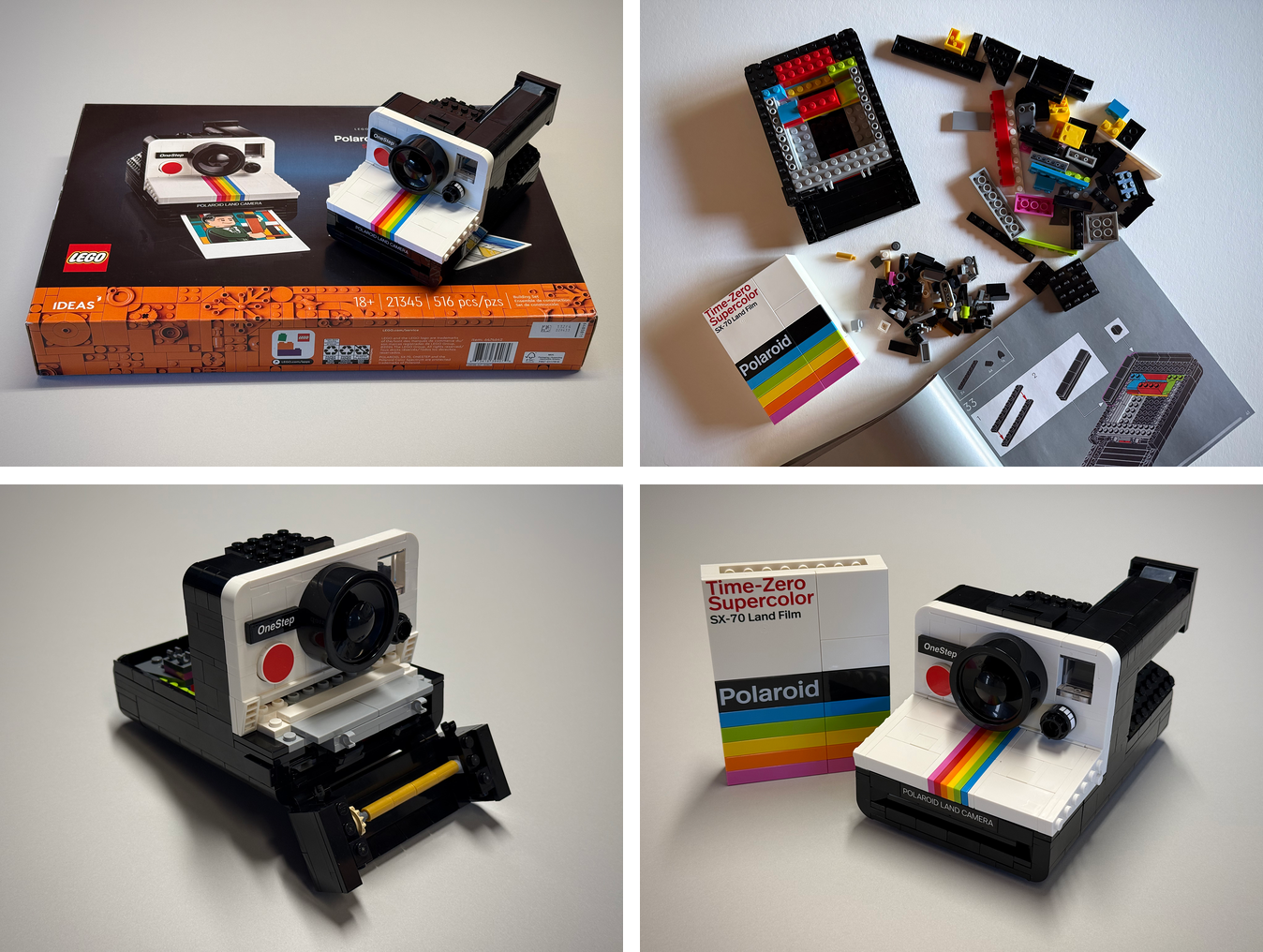
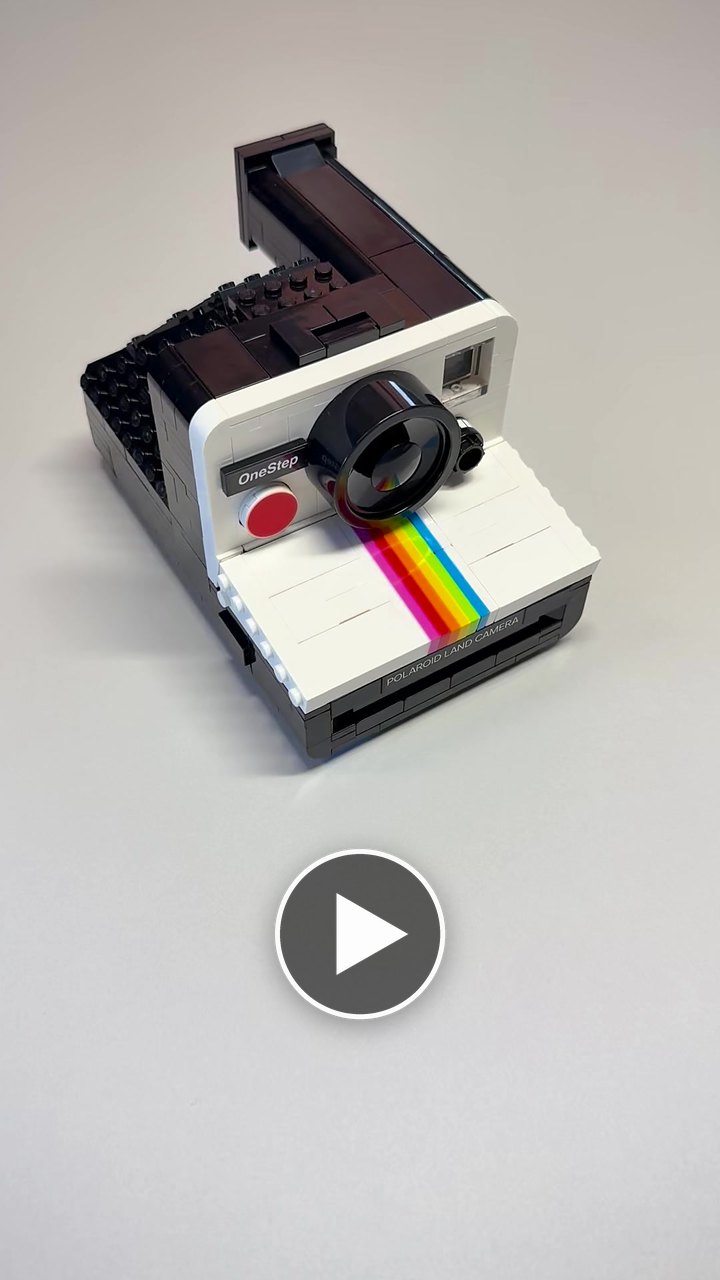
A couple of years ago, friends of ours were on vacation in England and they texted us a picture of a Lego Polaroid OneStep SX-70 Camera box they had seen in a store. How cool was that! John and I both agreed this was a must-have, and less than a week later our Lego Polaroid camera arrived. Being Danish, I grew up with Lego. The name comes from the Danish words leg godt, which means play well. I believe the vast majority of children in Denmark grow up playing with Lego. Most Danish parents and kids know the feeling of stepping on a brick either wearing socks or barefoot. Trust me, it hurts and you will likely voice your dismay! Lego was my favorite toy! I would spend many hours building and playing with what I had constructed. I had a big plastic bag filled with my colored bricks. I would dump them out on the floor in my room and start building houses on the baseplate. Once I finished my multicolored houses - I didn’t always have enough bricks to complete each house in its original desired color - I would add the people. My Lego families were very simple people. Two small square bricks stacked together made a child. Three bricks made a grownup. That was the whole secret to growing up in my Lego world. You just got one more brick once you moved into adulthood. The people had no arms, no legs, and no faces. My children were very well behaved, which is more than some parents can say. Then there was the boat! I built it carefully and carried it to the bathtub for its maiden voyage. For a few proud minutes, it floated on the high seas in the tub. Then, slowly and with great dignity, it sank. I pulled it out, drained it, changed a few pieces, and tried again. Sadly, it sank again. I must have launched that boat a dozen times, and it went down every single time. Looking back, it was at this time that I discovered I was not a shipbuilder. I was running a very small submarine factory - who knew…
Lego is not just a toy for kids. It is for everyone at all ages. John, who had never had the experience of snapping Lego pieces together until we assembled the SX-70 Camera, was and is hooked. The design of the Polaroid OneStep SX-70 Camera came from a Lego Ideas program submission by Marc Corfmat, a graduate student in mechanical engineering at the University of California, Davis. He was inspired by his sister Mia’s Polaroid instant camera. You can read the whole story here. “I’m wildly impressed by the result. I bought the actual 1977 camera over a year ago and I sometimes mistake one for the other on my office shelf,” shared Marc. Lego model designer James May and graphic designer Matt Parsons turned Marc’s design into the official set.
Watch the video on YouTube
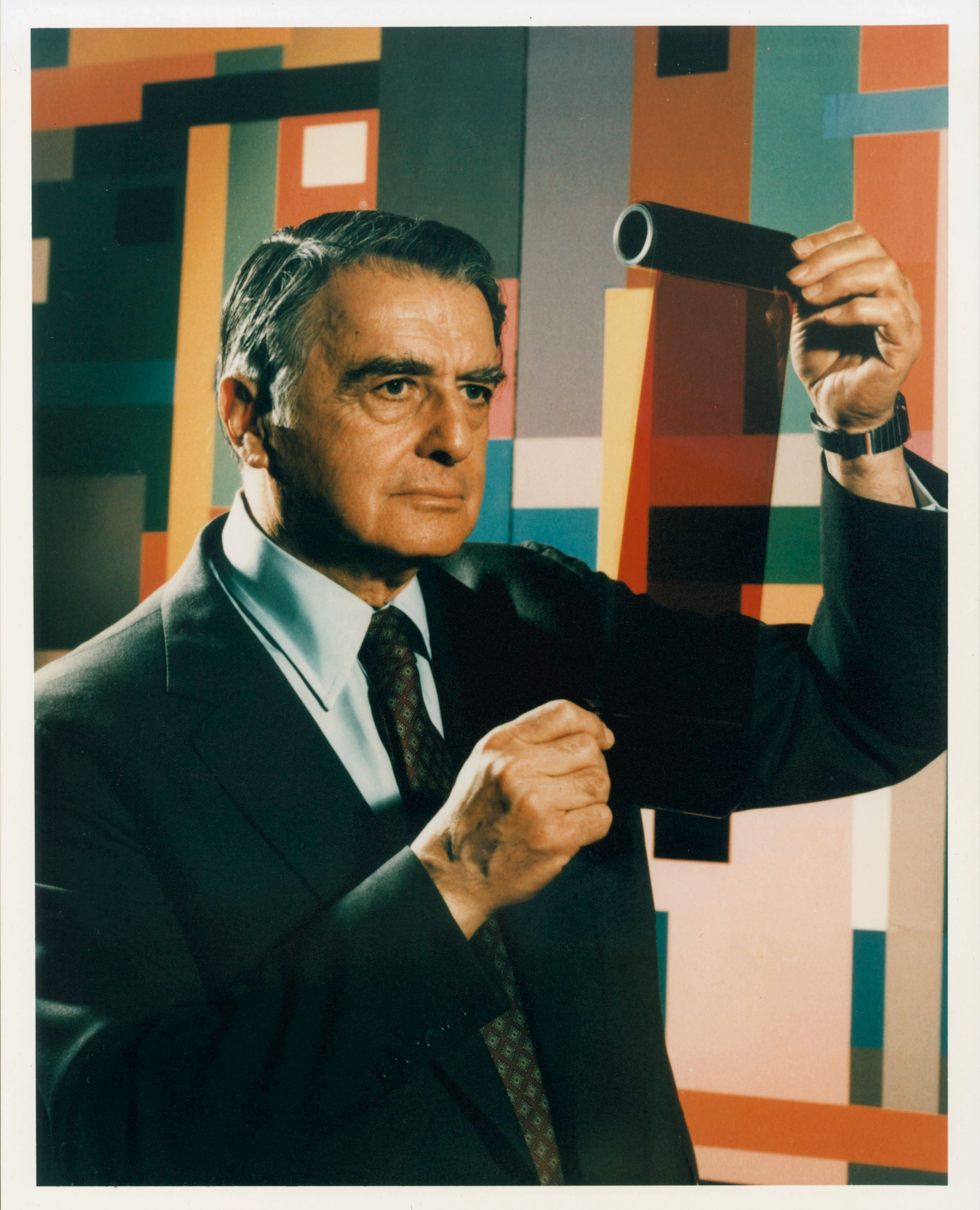
Now for the best surprise in the box. The kit comes with three tiny Lego “photographs” that load into the camera. When you press the shutter button, one pops out the front, just like a real Polaroid. One of them shows the Lego House in Billund, Denmark, the hometown of Lego. A little bit of Denmark came in the box! Another shows a distinguished gentleman in a dark suit, holding a roll of film up to the light in front of a pattern of colorful rectangles. John recognized him in an instant. It was Dr. Edwin H. Land, the inventor of instant photography and the founder of Polaroid. Even better, John knew the photograph itself. It is a portrait made by his friend, the late photographer Jay Scarpetti. John was so excited! John believes the roll in Dr. Land’s hands may be polarizing material, his first great invention.
Dr. Edwin H. Land
The colorful pattern behind him is not a painting. It is one of Dr. Land’s “Mondrians,” large boards covered with about 100 pieces of colored paper. He named them after the Dutch painter Piet Mondrian, whose paintings of colored rectangles they resemble. Dr. Land used them in experiments showing that it is our brain, not only our eyes, that decides what color we see. He called his explanation the retinex theory, from the words retina and cortex. In our video, the photograph that comes out of our little Lego Polaroid is Jay Scarpetti’s portrait of Dr. Land. John and I like to think Dr. Land and Jay would both have gotten a kick out of that!
WHAT’S IN A NAME? A TALE OF TWO KODAKS
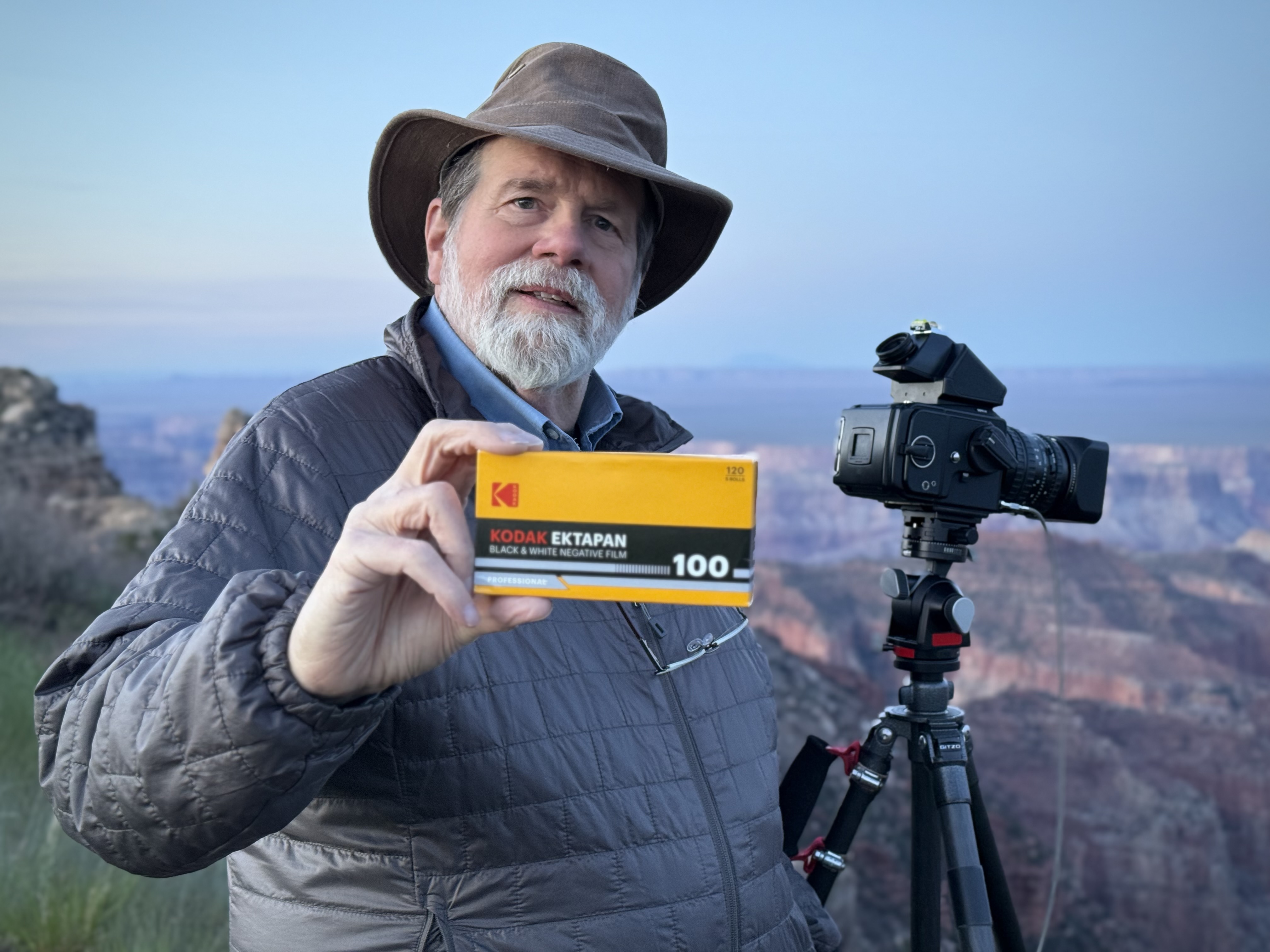
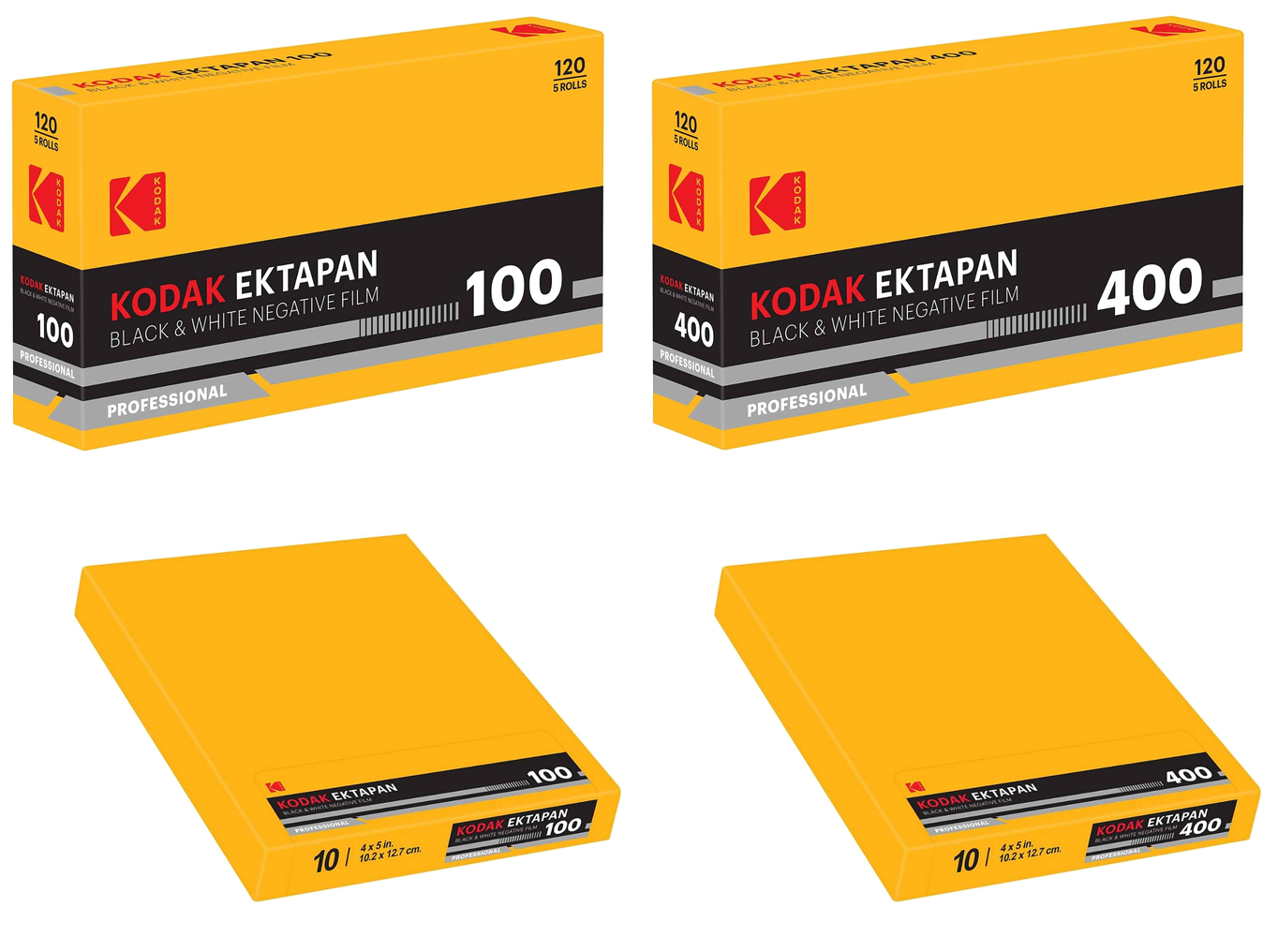
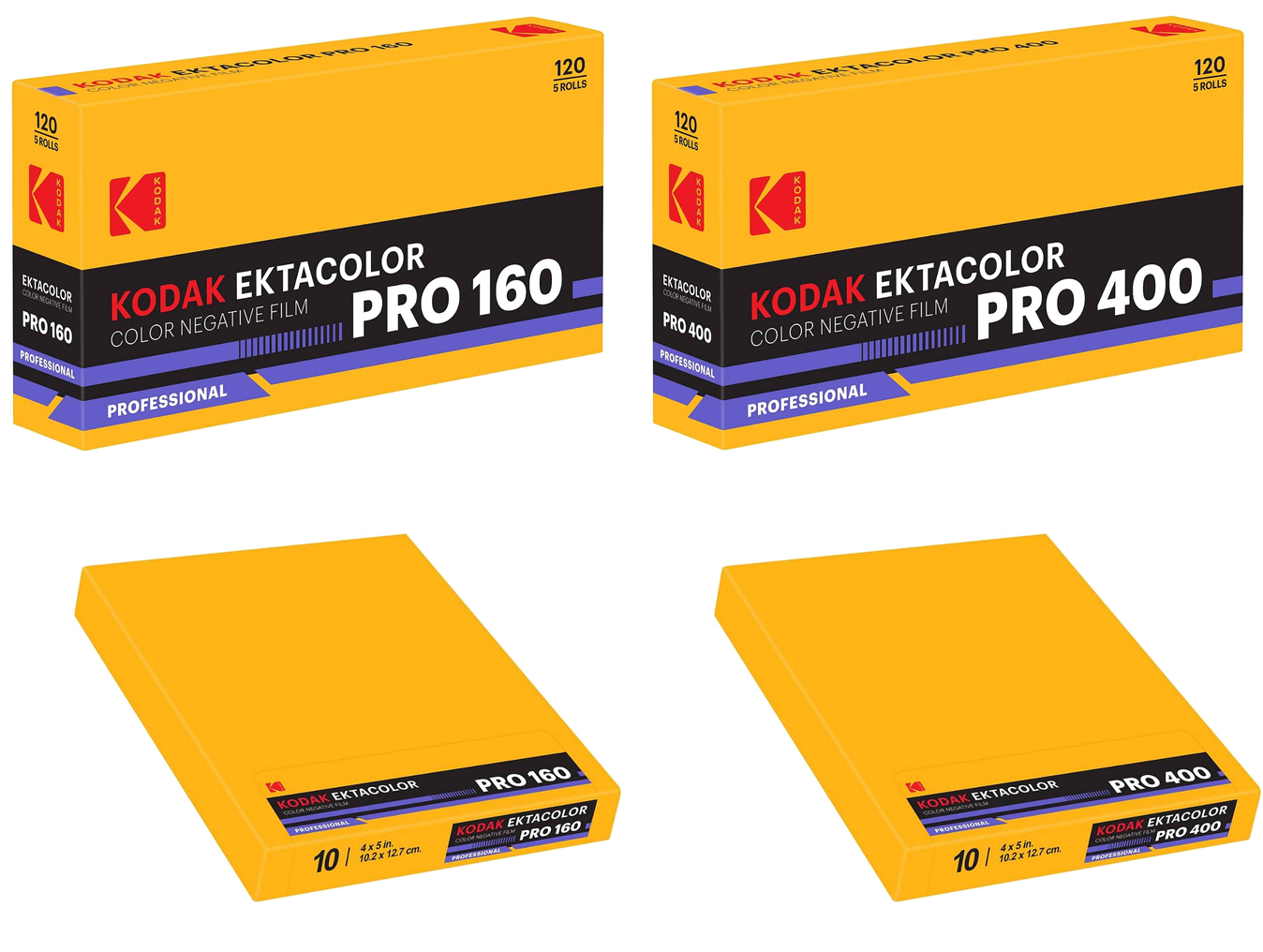
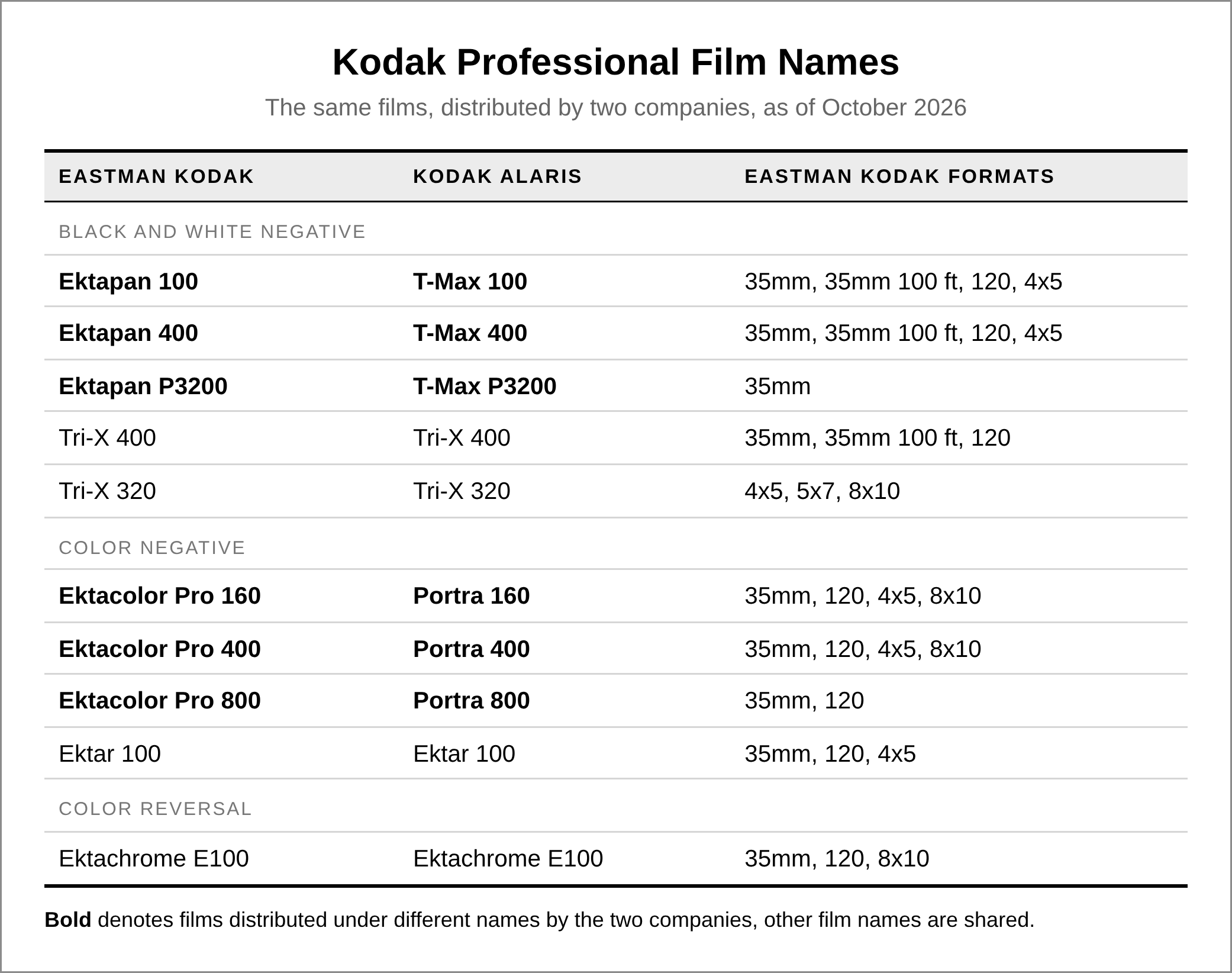
What’s in a Name? Juliet had a point, although I suspect she never stood over a tray of stop bath at two in the morning. No name could make that smell sweet. Her question has found its way into the world of analog photography. In the past year or so several familiar Kodak names have disappeared from the boxes and bottles we buy, while the film and chemistry inside have stayed the same. T-Max is now Ektapan. Portra is now Ektacolor Pro. XTOL is now XDEV. If you have stood in front of the film refrigerator at your camera store, or, more likely, gazed at the website of your online purveyor of photographic products, wondering what happened, you are in good company. It took me a fair amount of study to begin to sort things out! The Films When Eastman Kodak filed for bankruptcy in 2012, it continued manufacturing photographic film in Rochester, but the distribution of that film went to a new British company, Kodak Alaris. For more than a decade Tri-X, T-Max and Portra reached us in Kodak Alaris boxes marked Kodak Professional. Many of us never noticed. In the fall of 2025 Eastman Kodak began distributing its own film again, starting with Kodacolor 100 and 200. Over the winter and spring the rest of the line followed, in bright yellow, red and black boxes that look as if they came off the shelf of a 1970s camera store. In May the sheet films and 100-foot bulk rolls arrived. The trouble is in the names. Tri-X, Ektar, Ektachrome, Gold and UltraMax are shared by the two companies, so those names appear on both companies’ boxes. Portra and T-Max belong to Kodak Alaris alone. Eastman Kodak cannot print them on its own boxes, even though it makes the film. So, it went up into its own archives and dusted off some old names it still owns. T-Max 100, 400 and P3200 are now Ektapan 100, 400 and P3200. Portra 160, 400 and 800 are now Ektacolor Pro 160, 400 and 800. Eastman Kodak has not said in so many words that the films are identical, but the speeds, the formats and the T-grain technology all match, and I am not aware of anyone who has found a difference. Your T-Max developing times should serve you just as well with Ektapan.
Kodak Ektapan 100 Film On Location
The name Ektapan is not new. My longtime friend Bob Shanebrook, who was Eastman Kodak’s professional film manager, points out that the original Ektapan was a black and white sheet film, made in the 1970s and 1980s as a companion to Vericolor color negative film. In the 1970s I used both, Ektapan in 4x5, although Tri-X remained my primary film. The new Ektapan is a very different film wearing a historic name. Kodak Alaris still distributes Portra and T-Max under their familiar names, so for now you may find the same film in two different boxes, from two different companies. Each household wears its own colors, and the Eastman Kodak boxes, with their 1970s look, are easy to tell from the Kodak Alaris boxes. Purchase the box you prefer. Neither the film nor you will know the difference! On a personal note, Anne and I always try to purchase from the source that does the most, over the long run, for the company that makes the tools our photography depends on. Here, that means the Eastman Kodak box.
For those of us who work in large format, Ektapan 100 and 400 both come in 4x5 sheets, and Tri-X 320 comes in 4x5, 5x7 and 8x10. If you want T-Max in 8x10, for now that still means a Kodak Alaris box.
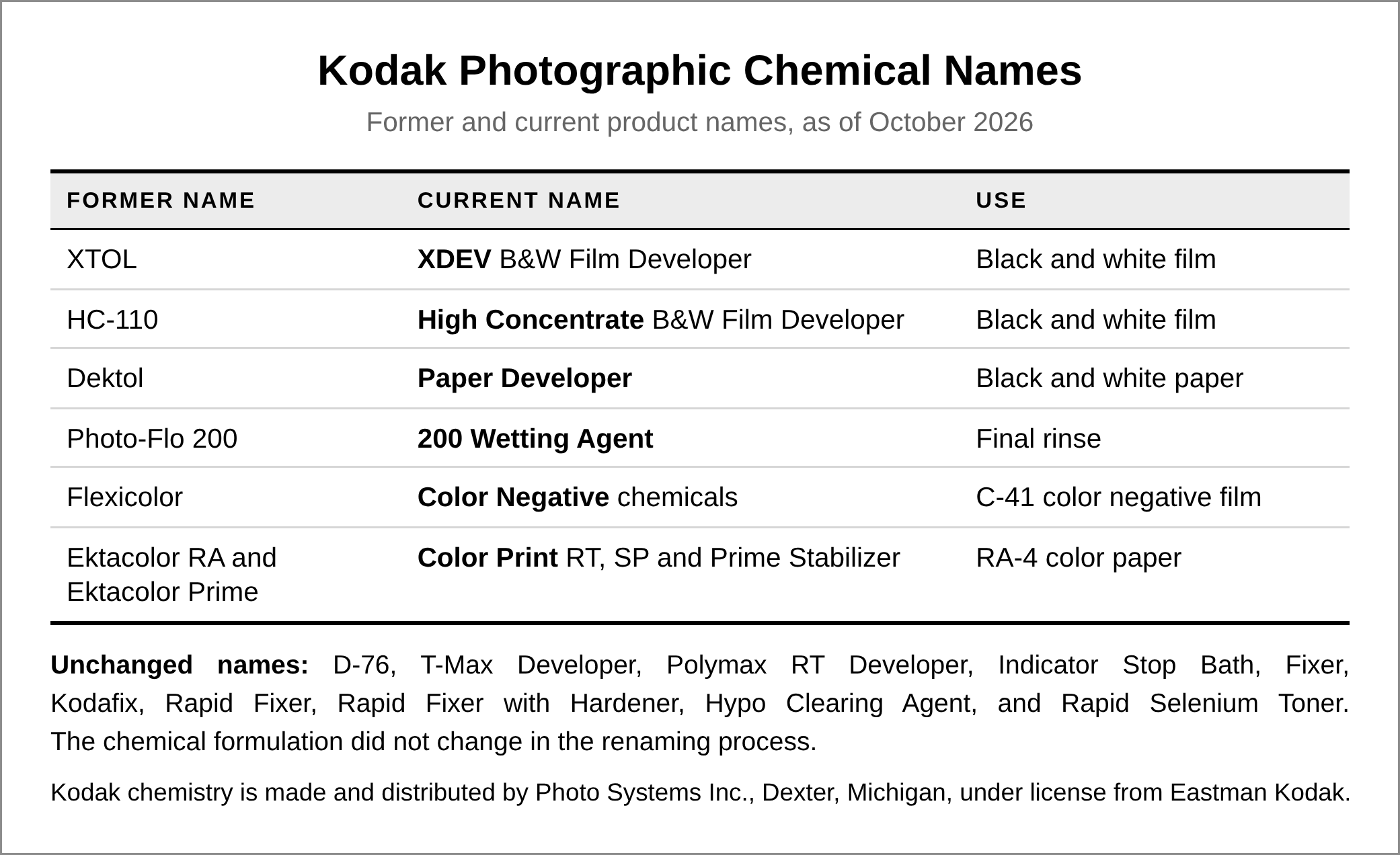
The Chemistry In 2020 Kodak Alaris sold its paper and chemistry business to Sino Promise, a Hong Kong company. It did not go as Kodak Alaris had hoped. Supplies ran short, and in April 2023 Sino Promise dropped Kodak chemistry altogether. The company, which now calls itself Blue ISO Limited, kept several of the old Kodak chemistry trademarks, including Dektol, HC-110 and Flexicolor. Eastman Kodak applied to register XTOL in the United States, then let the application go when Blue ISO opposed it. Photo Systems Inc., of Dexter, Michigan, had been making Kodak’s black and white chemistry for Kodak Alaris since 2019, and kept making it for Sino Promise. In September 2023 Photo Systems, founded by my friend Alan Fischer, became Eastman Kodak’s worldwide licensee for Kodak chemistry. Because those old names are tied up with Blue ISO, several products had to be renamed. The formulas did not change in the renaming, so your developing times and dilutions still apply. HC-110 was my primary film developer from 1973 until 1986, when the T-Max films arrived. It was reformulated in 2019, and I don’t have experience with the new, less viscous version. It is now known as High Concentrate B&W Film Developer, a name which will take me some getting used to. Since 1986 I have mostly used T-Max RS Developer, with XTOL along the way. XTOL is now XDEV. To my ear it sounds more like a software update than a developer, but the packet still carries the same catalog number, 105 8338.
Dektol, which has been my primary paper developer for more than 55 years, is now simply Paper Developer. Photo-Flo 200 is now 200 Wetting Agent. Flexicolor C-41 chemistry is now Kodak Color Negative. My favorite twist belongs to T-Max Developer, which keeps its name. You cannot get T-Max film from Eastman Kodak, but you can develop your Ektapan in Kodak T-Max Developer. Shakespeare could not have written it better. D-76, which dates to 1927, continues unchanged. And the Ektacolor name, which I remember from the limited color printing I did on Ektacolor paper, has moved over to the film box. The printing chemistry is now plain Kodak Color Print. So, what’s in a name? A good deal of legal paperwork, it turns out. The film is still coated in Rochester, New York, in Eastman Kodak’s Building 38. The coating plant is 100 feet tall, sits on a two-acre footprint, and lays down as many as twenty emulsion layers in a single pass. It is arguably the most sophisticated facility of its kind in the world. I had the fascinating experience of visiting it several times over the years. The chemical formulas in the packets and bottles are the ones we know. Romeo and Juliet does not end well. This story, so far, does. Long live film!
SOME THOUGHTS ON PHOTOGRAPHY... AND OTHER TOPICS
National parks are the best idea we ever had. —Wallace Stegner, The Best Idea We Ever Had: An Overview
CONTACT US WITH QUESTIONS, OR COMMENTS: John Sexton and Anne Larsen Voice: 831-659-3130 info@johnsexton.com
Follow John on Social Media
THE FINE PRINT You are receiving this email because you have previously expressed an interest in John Sexton’s photographs, workshops, or publications. If you are receiving this message in error, please accept our apologies. If you prefer to no longer receive future email updates from us, you can Unsubscribe from the eNewsletter, or just send a quick note with your email address to remove@johnsexton.com and we’ll take care of it. We respect your privacy, and do not disclose your email, or other contact information, to others. Copyright ©2026 John Sexton. All rights reserved. |